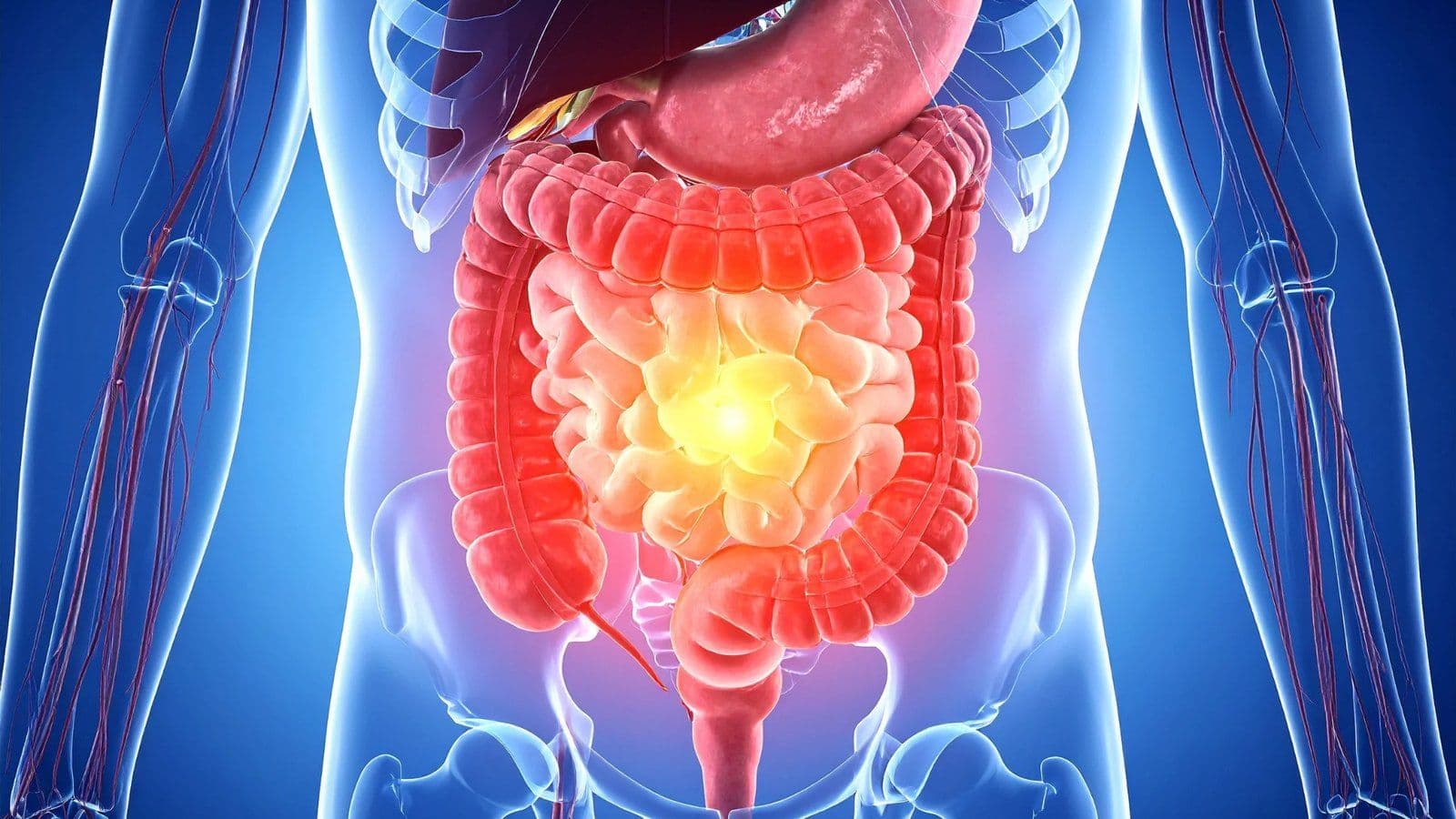
Our digestive tract hosts trillions of micro-organisms, mostly bacteria but also viruses and yeasts. France's national medical research institute, INSERM, estimates that they are roughly as numerous as the cells of our own body, with a total weight close to two kilograms. This ecosystem is the gut microbiota. Long reduced to a digestive helper, it is now regarded by researchers as a health actor in its own right. Here is what is established, what is still being studied, and what it means day to day.
1. Where our microbiota comes from
At birth, the gut is practically sterile. The microbiota forms on contact with the first micro-organisms encountered: the mother's during a vaginal birth, the environment's during a caesarean. Breastfeeding, then the introduction of solid food, shape its composition over the first two to three years of life.
In adulthood the microbiota is relatively stable, but not fixed. It changes with diet, medication, lifestyle and age. Each person's composition is unique, a little like a signature: two healthy individuals can have very different microbiotas. Researchers estimate that only a few dozen bacterial species are common to all humans.
2. What the microbiota does for us
The functions of the microbiota are now well identified, even if the precise mechanisms remain the subject of active research.
| Function | In practice |
|---|---|
| Digestion | Bacteria break down fibre our enzymes cannot digest, producing substances useful to the gut lining as well as certain vitamins |
| Protective barrier | By occupying the space, the microbiota limits the settling of unwanted bacteria |
| Immunity | The microbiota helps train the immune system, teaching it to tell what is dangerous from what is not |
| Metabolism | It influences how we store energy and regulate blood sugar |
| Communication with the brain | Gut and brain constantly exchange nerve and chemical signals; this link is being studied for its role in mood and stress |
An imbalance of the microbiota, called dysbiosis, is observed in many conditions: inflammatory bowel diseases, obesity, type 2 diabetes, allergies, some autoimmune diseases. One nuance that researchers themselves stress: observing an imbalance in people who are ill does not tell us whether it causes the disease or results from it. That is precisely what research is trying to untangle.
3. What damages it
Three features of modern life are particularly well documented.
Antibiotics. They are essential when justified, and this is not about refusing them. But they do not distinguish between the bacteria causing an infection and those of the microbiota. A course temporarily depletes gut diversity, and recovery takes several weeks. One more reason to take them only on prescription, and never to demand them for a viral infection, against which they are ineffective.
A diet low in fibre and high in ultra-processed foods. Fibre is the main food of beneficial bacteria; when it is lacking, those bacteria decline. INSERM research also shows that some common food additives, particularly emulsifiers, alter the composition of the microbiota and may promote intestinal inflammation.
Lack of variety. Always eating the same foods, even healthy ones, maintains a less diverse microbiota. Yet microbial diversity is one of the markers most closely associated with good gut health.
4. What sustains it
The good news is that the microbiota responds quickly: a few days of dietary change are enough to alter its composition. And the levers are those of an ordinary balanced diet, with nothing special to buy.
| Lever | Benchmark | Examples |
|---|---|---|
| Fibre | Aim for 25 to 30 g a day, the French recommended benchmark. Current average intake is around 18 g | Vegetables, whole fruit, legumes, wholemeal bread and cereals, nuts |
| Legumes | At least twice a week, as recommended by France's national nutrition programme | Lentils, chickpeas, dried beans, split peas |
| Plant diversity | Vary vegetables, fruit, grains and spices from one week to the next | Change vegetables with each shop, alternate rice, quinoa, buckwheat, bulgur |
| Fermented foods | Regular intake seems to promote diversity, although the level of evidence remains moderate | Plain yoghurt, aged cheeses, raw sauerkraut, kefir |
| Physical activity | Regular practice is associated with a more diverse microbiota, independently of diet | Brisk walking, cycling, swimming, 30 minutes a day |
5. Tests and supplements: what to know before buying
The popularity of the subject has created a market: home stool tests to "map" your microbiota, probiotic capsules, detox cures. In 2026, INSERM publicly warned against these products.
Tests sold to the public describe the composition of the microbiota at a given moment, but nobody today can define what an "ideal" microbiota is. The results therefore cannot be turned into reliable personalised advice, whatever some sellers promise.
Probiotic capsules have shown value in a few specific situations, for example in limiting some antibiotic-related diarrhoea, but their effects depend heavily on the strain and the person. Taken routinely "for health", their benefit is not demonstrated, and INSERM notes that they may be unsuitable for some vulnerable people. They are no substitute for a fibre-rich diet.
6. When to see a doctor
The microbiota does not explain everything, and persistent digestive problems are not solved with yoghurt. Bloating, abdominal pain or changes in bowel habit lasting more than a few weeks, unexplained weight loss or blood in the stool warrant a consultation. These signs may reflect irritable bowel syndrome, an inflammatory disease or, more rarely, colorectal cancer, for which organised screening is offered every two years between the ages of 50 and 74.
A health check-up is a good moment to raise these questions, review your diet and make sure that digestive symptoms are not hiding anything more serious.
💡 Tips to remember
- The microbiota feeds on fibre: I aim for 25 to 30 g a day with vegetables, whole fruit, legumes twice a week and wholegrains.
- Diversity matters more than any miracle food: I change vegetables with each shop and alternate grains.
- I take antibiotics only on prescription and never for a viral infection: they deplete the microbiota for several weeks.
- Home microbiota tests and probiotic capsules "for health": INSERM warns that their usefulness is not demonstrated and they are no substitute for diet.
- Digestive problems lasting more than a few weeks, blood in the stool or unexplained weight loss call for a consultation, not a change of yoghurt.