Unlike colorectal cancer, where the role of diet is firmly established, the link between diet and prostate cancer remains, according to European scientific authorities, an area where no firm dietary recommendations have been validated to date. This does not mean that diet has no role: it means that current evidence remains, for the most part, suggestive rather than definitive.
1. Tomato and lycopene: the most studied avenue
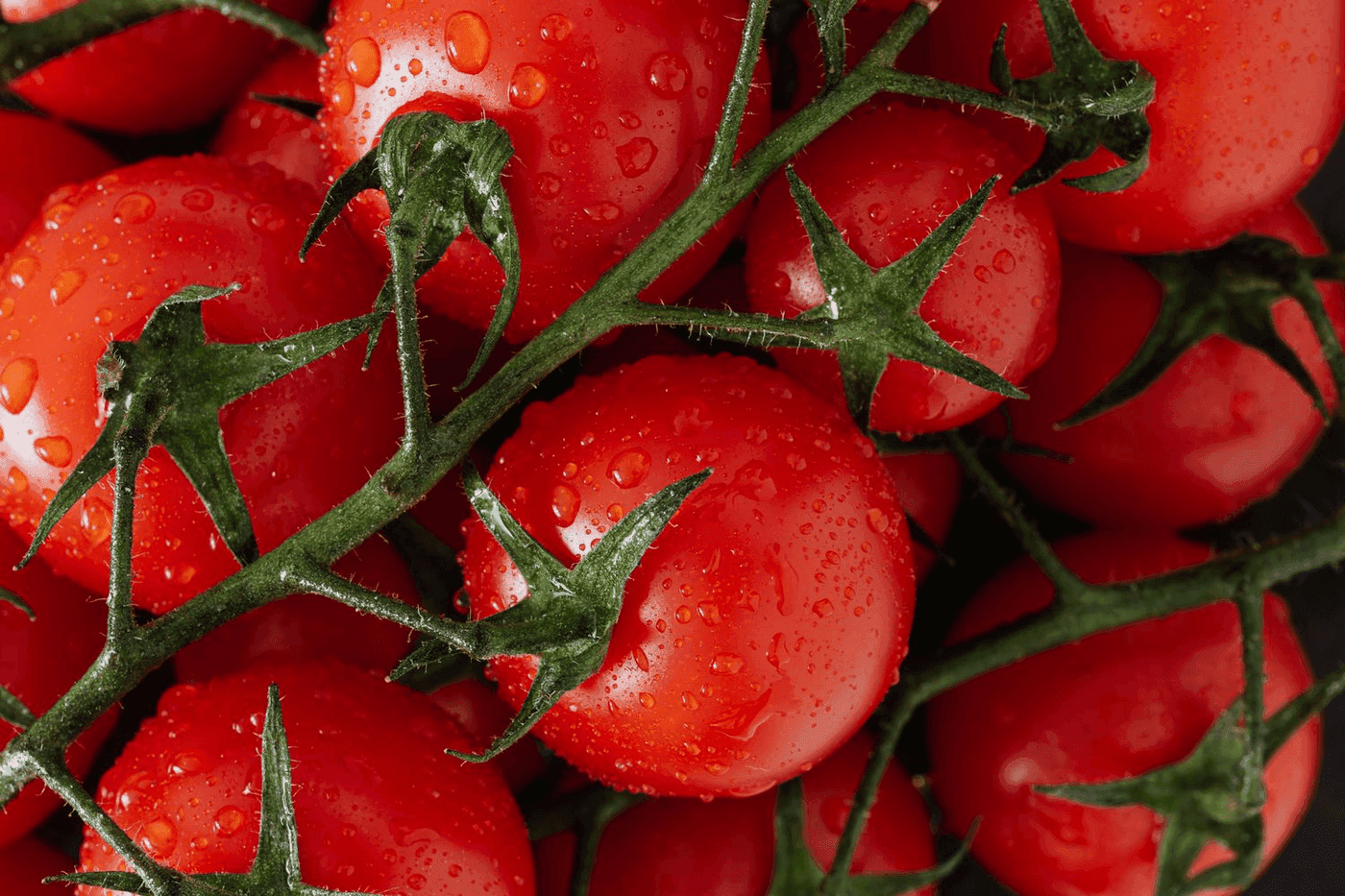
Lycopene is an antioxidant that gives tomatoes their red color. A large British study (ProtecT), involving thousands of men, observed that consuming at least 10 servings of tomatoes or tomato products per week was associated with an approximately 18% reduction in the risk of prostate cancer.
An important methodological point: this study cannot establish a certain causal link, high tomato consumption could simply reflect an overall healthier diet or lifestyle. In addition, supplementation with pure lycopene, in the form of capsules, did not demonstrate the same protective effect as the whole food, which suggests that other tomato compounds (vitamins, polyphenols) would intervene in synergy.
An interesting practical detail: lycopene is better absorbed by the body when the tomato is cooked or processed (sauce, concentrate, juice) rather than consumed raw, because cooking degrades the cell wall that retains it.
2. Soya: encouraging data, but to be qualified
Soy foods contain isoflavones (including genistein), compounds with antioxidant properties that could interact with the hormonal metabolism of the prostate. Some studies associate regular soy consumption with a reduction in PSA levels of around 14%, and the tomato + soy combination seems to have a greater effect than either food taken alone.
| Food / composed | Observed effect | Level of evidence |
|---|---|---|
| Tomato / lycopene (whole food) | Risk reduction of approximately 18% (high consumption) | Suggestive evidence, causality not established |
| Lycopene supplement | No protective effect demonstrated | Evidence insufficient |
| Soy / isoflavones | Possible PSA reduction, encouraging effect | Preliminary evidence, at confirm |
| Saturated fats / excess red meat | Suggested association with increased risk | Suggestive, non-consensus evidence |
3. What the scientific authorities say, bluntly
The European Association of Urology (EAU), in its 2024 recommendations, is explicit: no means of dietary or pharmacological prevention of prostate cancer has been formally identified to date. This position, more cautious than for other cancers, does not call into question the general interest of a balanced diet, rich in fruits and vegetables, but invites us not to overestimate the protective effect of a particular food.
4. A balanced diet remains a reasonable choice
In the absence of definitive scientific certainty, the strongest message remains the more general one of a balanced diet: favor a variety of fruits and vegetables, limit saturated fats and excessive consumption of red meat, and occasionally include foods such as cooked tomatoes or soya, without expecting a guaranteed protective effect. In any case, this approach has well-established benefits for overall cardiovascular and metabolic health.
⚠️ To remember from a medical point of view
No food or food supplement replaces recommended medical monitoring in the event of a particular risk factor (age, heredity, origin): food remains a complement, not an alternative to early detection.
Food supplements based on lycopene or isoflavones are not recommended for the prevention of cancer of the prostate in the absence of sufficient evidence; always seek the advice of your doctor before taking it.
A very high consumption of soy may interact with certain hormonal treatments: always report this to your doctor if you are currently undergoing treatment for prostate cancer.
Tips to remember:
- ●Eating at least 10 servings of tomatoes per week was linked to an 18% reduction in prostate cancer risk in a large British study, but without proof of definitive causality.
- ●Lycopene is better absorbed when the tomato is cooked or processed (sauce, concentrate) rather than raw, contrary to popular belief.
- ●Lycopene supplementation in the form of capsules did not show the same protective effect as whole tomatoes consumed in the diet.
- ●The combination of tomato and soy seems to have a more marked effect than each of the two foods taken separately, according to several studies.
- ●No firm dietary recommendations officially exist for the prevention of prostate cancer: a balanced diet remains the most reasonable choice, in addition to the Iris Prevention health check.